Why Custom Impact Windows Matter for South Florida Homes
Living in South Florida means accepting that strong storms are part of life. I have seen houses that stood for decades get wrecked in a single afternoon because the windows were never designed for the conditions. The difference between a home that weathers a hurricane and one that doesn't often comes down to what is sitting in those window openings. Off-the-shelf units might look fine on a sunny day, but they rarely account for the specific wind loads, orientation, and framing challenges that come with real-world installation in this region.
That is where the conversation about custom impact windows starts. It is not just about picking a stronger glass or a thicker frame. It is about matching the product to the actual house it will protect. Every building has its own quirks: wall construction varies, openings are rarely perfectly square after years of settling, and exposure to direct wind can differ wildly from one side of the structure to another. A generic window might fit the rough opening, but it may not seal properly under pressure. A custom approach addresses all of those variables.
What Makes a Window Impact-Resistant?
Impact resistance is not a single feature. It is a combination of materials and engineering that work together. The glass itself is usually laminated, with a tough interlayer that holds fragments together if the pane cracks. The frame must be strong enough to stay anchored to the wall when the glass is pushing against it. The hardware, the sealants, and the method of attachment all matter. But the real test is how the whole assembly behaves when a flying piece of debris hits it at high speed. That kind of impact creates forces that travel through the entire window system.
Connect with us on YouTube.
With a standard window, a failure often happens at the corners or along the edges where the frame meets the glass. With a properly designed impact window, the energy is distributed across the frame and into the structure of the house. That requires precise fit and careful engineering. Off-the-shelf windows are made to fit a range of openings, which means they might have gaps that get filled with shims and foam. Those gaps can become weak points under extreme pressure. A custom unit, built to exact measurements, eliminates those gaps and creates a more uniform load path.
The Practical Side of Going Custom
I have worked on enough retrofit projects to know that no two houses are the same. Even homes built by the same developer in the same neighborhood can have subtle differences in framing or foundation movement. When you order a standard window, you are hoping it will fit well enough. Sometimes it does. Sometimes you end up with a quarter-inch gap on one side and a tight squeeze on the other, and you have to decide whether to shim it or trim the opening. Neither option is ideal for impact performance.
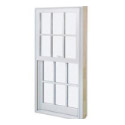
Custom impact windows remove that guesswork. A technician comes out, measures the actual opening, and the window is built to those numbers. The frame sits flush, the seal is consistent all the way around, and the installation follows a plan that accounts for the specific wall construction. That might sound like a small detail, but in a storm, that precision matters. A uniform seal means the pressure is distributed evenly. It also means fewer places for water to get forced through during wind-driven rain.
Materials and Options
There is a range of choices when you go custom. Frame materials, glass thickness, interlayer type, and even the color of the finish can be selected to match the home's look while still meeting impact ratings. Aluminum frames are common because they are strong and resist corrosion in the coastal air. Some homeowners prefer a specific color or a wood-clad interior for aesthetics. The custom route allows those preferences without sacrificing performance.
One thing I always tell people is to think about the orientation of the window. A window facing the prevailing wind direction may need a higher impact rating than one on the leeward side. That kind of differentiation is hard to do with standard products. With a custom approach, you can specify different ratings for different elevations of the same house. That saves money where you do not need the highest rating, and it adds protection where you do.
Installation Is Part of the System
Even the best window will fail if it is installed poorly. That is another area where custom work shines. When a window is built to the exact opening, the installer can focus on anchoring it properly rather than fighting with gaps. The attachment points can be planned in advance, and the flashing and sealant can be applied in a continuous layer. I have seen installations where the crew had to use thick shims to fill a gap, and those shims can create stress points that crack the frame over time or let the window shift during a storm.
A well-installed custom impact window becomes part of the building envelope. It works with the wall, not against it. That integration is critical for both impact resistance and energy efficiency. A tight seal keeps out heat and humidity, which is a real benefit in the South Florida climate. It also reduces the load on the air conditioning system. So the investment in custom windows pays back in comfort and utility bills, not just in storm protection.
Cost Versus Value
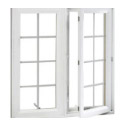
There is no denying that custom impact windows cost more than standard stock units. The design time, the material selection, and the manufacturing process all add to the price. But the value comes from avoiding the cost of failure. Replacing a window after a storm is expensive, and that is assuming the rest of the house is still standing. A blown-out window can lead to water damage, mold, and structural issues that cost many times the price of the window itself.
I have also seen insurance companies offer premium reductions for homes with impact-rated windows and doors. Some policies require them in high-risk zones. When you factor in the potential for lower premiums and the peace of mind that comes from knowing your home is protected, the extra upfront cost often makes sense.
Real-World Performance
A few years ago, I visited a house that had taken a direct hit during a Category 4 storm. The roof had some damage, and the landscaping was gone, but every window held. The homeowner told me they had installed custom impact windows about a year before the storm. They had chosen them mostly for the wind protection, but what surprised them was how quiet the house stayed during the worst of the storm. No rattling, no whistling, no feeling that the glass might pop out. That is the kind of performance that comes from a system designed and built for that specific opening.
That experience stuck with me because it highlights a truth about building in a hurricane zone: the details matter. A window is not just a hole in the wall with glass in it. It is a structural element that has to resist forces you cannot see until they are upon you. Custom impact windows are one of the few products that let you address those forces with precision rather than approximation.
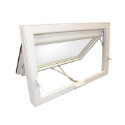
For homeowners in South Florida who are considering an upgrade or building new, the decision often comes down to whether the extra cost and lead time for custom work are worth it. Based on what I have seen in the field, the answer is usually yes, especially for windows that face the most exposure. The margin of safety is wider, the fit is better, and the long-term durability is higher. It is one of those investments that you hope you never need to test, but if you do, you will be glad you made it.
LockTight Impact Windows, Doors, & Roofing, located at 2200 SW 45th St #101, Fort Lauderdale, FL 33312, can be reached at +1 954-500-5625 for those seeking a South Florida-based company specializing in impact windows, doors, and roofing with over 50 years of experience and top customer ratings.